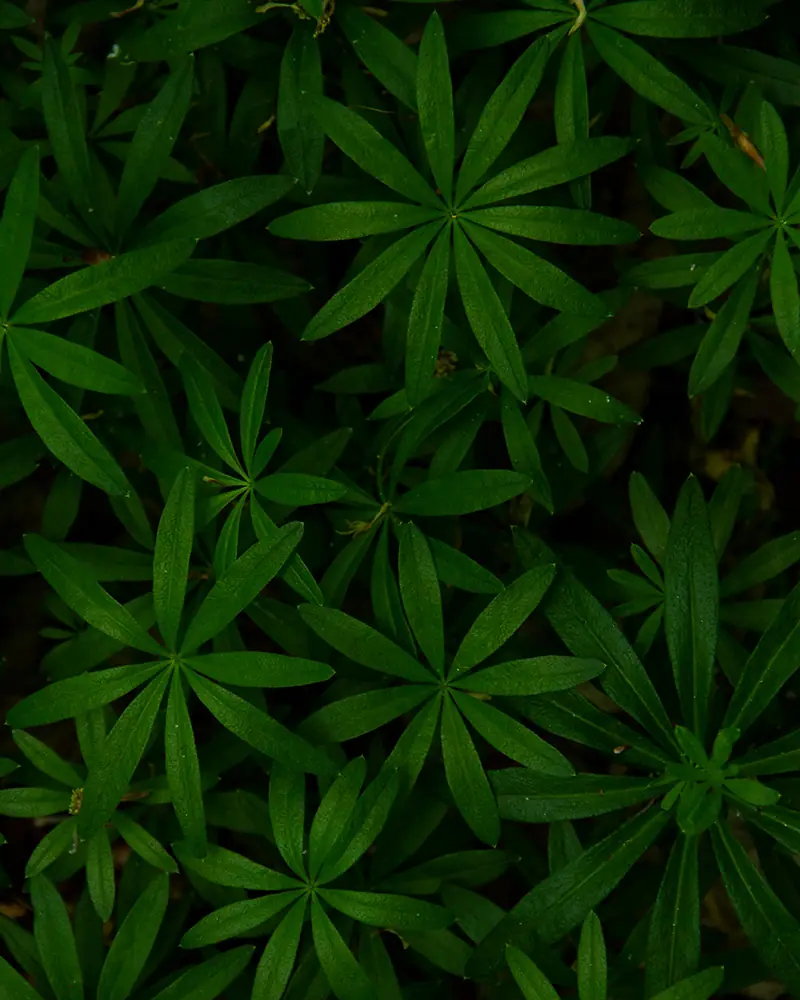
Top 3 Herbs for Clear Skin: Cleavers, Nettle & Burdock Root
There are certain herbs that show up again and again in old folk herbalism whenever people spoke about troubled skin, heat in the body, swelling, sluggishness, or chronic eruptions.
Across European herbal traditions, village remedies, and older “blood-cleansing” systems of herbal medicine, three plants became especially respected for skin support:
- Cleavers (Galium aparine)
- Nettle (Urtica dioica)
- Burdock Root (Arctium lappa)
Each works differently. One cools and drains. One nourishes and rebuilds. One works slowly and deeply over time.
Cleavers
Most commonly known as sticky willy, goosegrass, catchweed, and bedstraw due to their Velcro-like hooked hairs.
One of the classic spring “cooling” herbs in European folk herbalism, especially associated with skin eruptions connected to internal heat and congestion.
Why people used it:
- Traditionally used for swollen glands, acne, puffy skin, and sluggish lymph
- Considered a cooling “spring cleansing” herb after winter heaviness
- Associated with fluid movement, drainage, and clearing stagnation
- Often used when skin felt inflamed, congested, or “hot”
Fresh cleavers loses potency quickly once dried, and it was traditionally:
- blended with water
- cold infused overnight
- pressed into green herbal water
Best methods:
- Blend fresh herb with cool water → strain → drink immediately
- Or cold-infuse fresh herb overnight in fridge
Why: Heat damages some of the fresh green constituents and the cooling “spring tonic” quality folks value it for.
A traditional ratio:
- large handful fresh cleavers
- 300–500 ml water
- blend and strain
Some people mix with mint, lemon balm, or cucumber because plain cleavers water tastes very “green.”
Nettle
Probably the closest partner to cleavers in European folk herbalism.
Why people used it:
- Mineral-rich (silica, iron, magnesium)
- Traditionally used for eczema, acne, dull skin
- Supports kidneys and elimination
- Often considered “blood-building” rather than just cleansing
Nettle is usually better as a long hot infusion, not blender water.
Why: The minerals and many beneficial compounds extract better with heat and time.
Best method: Strong overnight infusion.
Traditional preparation:
- 20–30 g dried nettle leaf (a large handful)
- 1 liter almost-boiling water
- steep 4–8 hours covered
- strain
This becomes dark green and mineral-rich.
Fresh nettle can be blended like clevers as well, but most herbalists consider hot infusion to work better overall for skin and nourishment.
For acne-prone or inflamed skin, people often drink this daily for weeks.
Burdock Root
This is the classic deep skin herb in Western herbalism.
Historically used for:
- cystic acne
- boils
- oily congested skin
- chronic inflammatory skin problems
Burdock works slower and deeper than cleavers. Cleavers is more cooling/draining; burdock is more of a slow “deep clearing” herb.
Historically people took it for months.
Burdock works best as a decoction (simmered root tea).
Roots are tougher and need heat.
Traditional method:
- 1–2 tablespoons dried root
- simmer gently 20–30 minutes
- strain
This pulls out the deeper bitter and polysaccharide compounds.
Fresh burdock root can also be:
- added to soups
- eaten cooked
- tinctured
But for skin, decoction is classic.
Why These 3 Herbs Were Traditionally Used Together
A very classic “clear skin trio” in traditional folk herbalism, where each does something slightly different:
- Cleavers → lymph + fluid stagnation
- Nettle → nourishment + inflammation
- Burdock → deeper detox/metabolic skin support
People also historically added supporting herbs depending on the type of skin irritation involved:
- Calendula for red inflamed skin
- Dandelion Root for sluggish digestion and oily congestion
- Violet Leaf for hot irritated skin and swollen lymph
- Chickweed as a gentle cooling spring herb
One thing old herbalists noticed: fresh spring herbs often work better for skin than dried ones, especially cleavers, chickweed, violet, and nettle.
Fresh plant juices were traditionally considered far stronger for “heat and congestion” showing up through the skin.
Traditional Skin Routine
A very old-school skin routine would be something like:
Morning: fresh cleavers drink
Day: strong nettle infusion
Evening: burdock root decoction
That combination targets:
- lymph stagnation
- inflammation
- mineral depletion
- sluggish elimination
One important thing though: when people suddenly start large amounts of “detox” herbs, skin can temporarily get worse from increased inflammation, histamine issues, hormone shifts, or simple irritation.
Traditional herbalism usually worked slowly and consistently rather than aggressively.
FAQ
What are the best herbs for clear skin?
Traditional herbalists often used cleavers, nettle, and burdock root together for congested, inflamed, or acne-prone skin.
How was cleavers traditionally used for skin?
Fresh cleavers was commonly blended with water, juiced, or cold infused as a cooling spring tonic for swollen lymph, heat, and skin eruptions.
Is nettle or burdock better for acne?
Nettle was traditionally used more for nourishment and inflammation, while burdock root was used for deeper, chronic skin congestion.
Why do herbalists use fresh spring herbs for skin?
Many traditional herbalists believed fresh spring herbs like cleavers, chickweed, and nettle worked more strongly for heat, stagnation, and congested skin than dried herbs.
The old folk herbalists rarely searched for a single miracle cure. More often, they worked slowly with nourishing spring plants, bitter roots, cooling greens, and daily habits repeated over weeks rather than days.
Cleavers, nettle, and burdock root became classics because generations kept returning to them over and over.