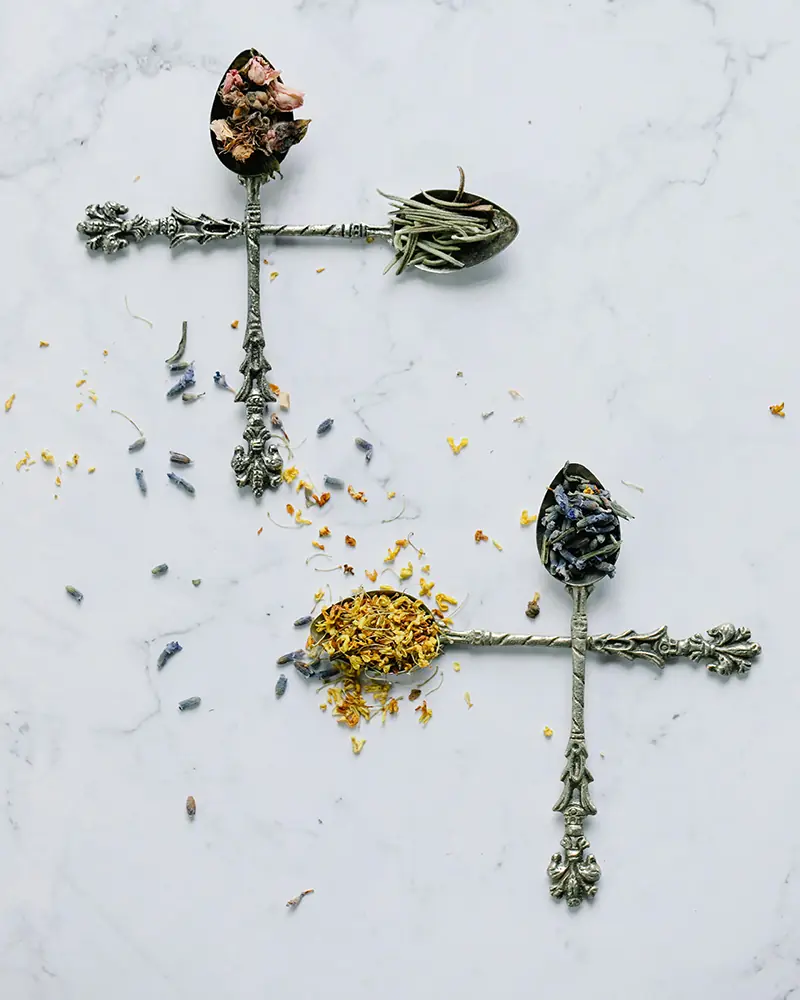
Herbal Home Protection: A Witchcraft Ritual Guide
You’ve cleansed the space. You’ve burned the herbs. You’ve set the intentions.
And something still feels wrong.
That’s not a problem with your effort. It’s a problem with the sequence.
In older traditions, protection was not intuitive, and it was never a one-time act.
And more importantly, it followed a logic.
Not all protection is the same. Not all situations call for the same action.
What is entering must be stopped.
What has entered must be removed.
What has been removed must be kept out.
Anything else is incomplete.
13 Folk Workings for People Whose Protection Isn’t Holding
PDF · Instant download · Yours to keep
Includes threshold rites, bitter washes, smoke workings, and planted protections.
The Structure of Real Protection Work
In folk practice, protection was not a single ritual, but a sequence of actions, repeated as needed and adapted to the state of the home.
It can be understood in four parts:
1. Securing the Entry (Doorways & Thresholds)
Everything begins at the threshold.
This is where crossings happen, where something moves from outside to inside. If this point is left open, no amount of cleansing will hold for long.
In traditional homes, doorways were treated deliberately:
- marked with bitter or protective substances
- bound, knotted, or crossed
- reinforced with iron, thorn, or plant matter
When properly set, a threshold does not “filter.”
It refuses.
2. Clearing the Space (When Something Has Settled)
If the space already feels altered: heavy, unsettled, or wrong, then the work shifts.
This is no longer about prevention.
It is about removal.
Floor sweeps, smoke work, and bitter washes were used not to “freshen” a space, but to drive something out. Ash, salt, and strong herbs were applied with intent and direction, often outward, toward doors or windows.
The difference matters.
Clearing is not passive. It is corrective.
3. Holding the Boundary (Preventing Return)
This is where most modern approaches fail.
Something is cleared, but nothing is done to prevent its return.
In traditional practice, this stage was essential.
Objects were buried, boundaries reinforced, and repeated workings performed over consecutive nights.
Not to add force, but to set a condition:
That what has been removed does not come back.
Without this step, protection breaks down quietly.
4. Living Protection (Plants That Hold the Line)
Some protection was not performed, but maintained.
Plants placed near entrances, thresholds, and windows acted as quiet, ongoing boundaries. Not dramatic, not forceful, but stable.
They were watered, tended, and kept alive.
Protection, in this form, becomes part of the environment itself.
Where Most Protection Advice Falls Apart
Modern approaches tend to collapse all of this into one idea:
“Cleanse the space.”
But cleansing alone does not secure entry.
It does not establish a boundary.
And it does not prevent return.
This is why people repeat the same actions over and over, with little lasting effect.
More is not stronger.
Clarity is stronger.
A Practical System of Herbal Protection
If you want this to work in practice, general advice is not enough.
You need:
- specific methods
- clear use cases
- and an understanding of when each action applies
That is exactly what this guide is built for.
The Guide: 12+1(Bonus) Protection Workings
It is a structured collection of herbal home protection workings, based on this exact framework.
It includes:
- threshold-based protections like The Threshold Knot and The Bitter Water Mark
- clearing methods such as The Smoke of Refusal and Ash & Bitter Sweep
- boundary-setting rituals like The Three-Night Watch and Buried Guard Jar
- bonus long-term practice: The Planted Threshold Seal
Each one is placed where it belongs: entry, clearing, holding, or maintenance; so you’re not guessing what to use or when.
Access the Full Guide
The full set of methods, written with exact instructions and correct use, can be found here:
PDF · Instant download · Yours to keep
Protection is not about doing more.
It is about doing the right thing, in the right place, at the right time.
Once that is understood, the work becomes simpler, and far more effective.
This guide is for you if:
You’ve cleansed repeatedly but the heaviness returns.
You have the herbs but don’t know which situation calls for which method.
You want folk practice, not modern wellness content.
You’re ready to stop guessing.
People Also Ask
What herbs were traditionally used to protect the home?
Protective herbs varied by region, but bitter, thorned, or strongly aromatic plants were most common. Wormwood, juniper, rue, bay, garlic, and nettle appear repeatedly in European and Balkan folk practices, especially at thresholds and entry points.
Is smoke cleansing enough to protect a house?
No. Smoke can remove what is already present, but it does not secure entry or prevent return. In traditional practice, clearing was only one part of a larger system that included boundary-setting and reinforcement.
Where should protection be placed in a home?
Protection was focused on points of entry: doors, windows, thresholds, and sometimes hearths. These were considered the places where crossing occurred, and where action was most effective. Learn which plants witches trust to hold the boundary here: Witchy Plants for the Front Door.
What is threshold magic in folk traditions?
Threshold magic refers to practices performed at doorways and entrances to control what can enter a space. This included markings, washes, knots, buried objects, and plant placements.
Why do protection rituals stop working?
Most often because only one step is used: usually people focus just on the cleansing. But without securing entry and holding the boundary, the condition resets and the same issues return.
For more common protection ritual mistakes, see: 12 Frequently-Made Protection Ritual Mistakes.