Plants Used to Break Love or Sever Bonds in Folk Magic
When Love Had to End, Plants Were Called
Not all magic was meant to bind.
Across the world, people turned to plants of bitterness, forgetfulness, and decay when love became dangerous, obsessive, or destructive. These were not spells of revenge. They were acts of release.
Some bonds were believed to rot the soul. Plants knew how to cut them cleanly.
Not all love magic meant to bind without consent, for contrast, see our post on ethical attraction magic to understand the duality of folk love practices: Love Attraction Rituals in Global Folk Magic
What Love-Breaking Meant in Traditional Cultures
Historically, separation magic was used to:
- End abusive or forced unions
- Break obsessive attachment
- Stop harmful desire or fixation
- Sever spiritual or sexual ties
- Protect the household or lineage
The goal was dissolution, not domination.
Global Plants Used to Sever Love and Attachment
Rue (Ruta graveolens) — Mediterranean & Balkans
Sharp, bitter, and protective.
Used to break emotional bonds, repel unwanted desire, and cleanse lingering attachment.
Folklore Record: In Italy, Greece, and the Balkans, rue was burned or carried after breakups to “cool the blood” and stop longing.
Wormwood (Artemisia absinthium) — Europe & West Asia
Bitterness symbolized grief and endings.
Folklore Record: In Slavic and Balkan regions, wormwood was tied to separation rites and post-burial cleansing to dissolve emotional fixation.
Asafoetida (Ferula assa-foetida) — Middle East & South Asia
Pungent, sulfurous, and repellent.
Folklore Record: In Persian and Indian traditions, asafoetida drove away obsession and unhealthy attachment, often carried or placed near thresholds.
Black Henbane (Hyoscyamus niger) — Europe & Central Asia
Plant of danger and forgetting.
Folklore Record: Associated with loss of desire and severed connections; handled with extreme caution and often used symbolically rather than ingested.
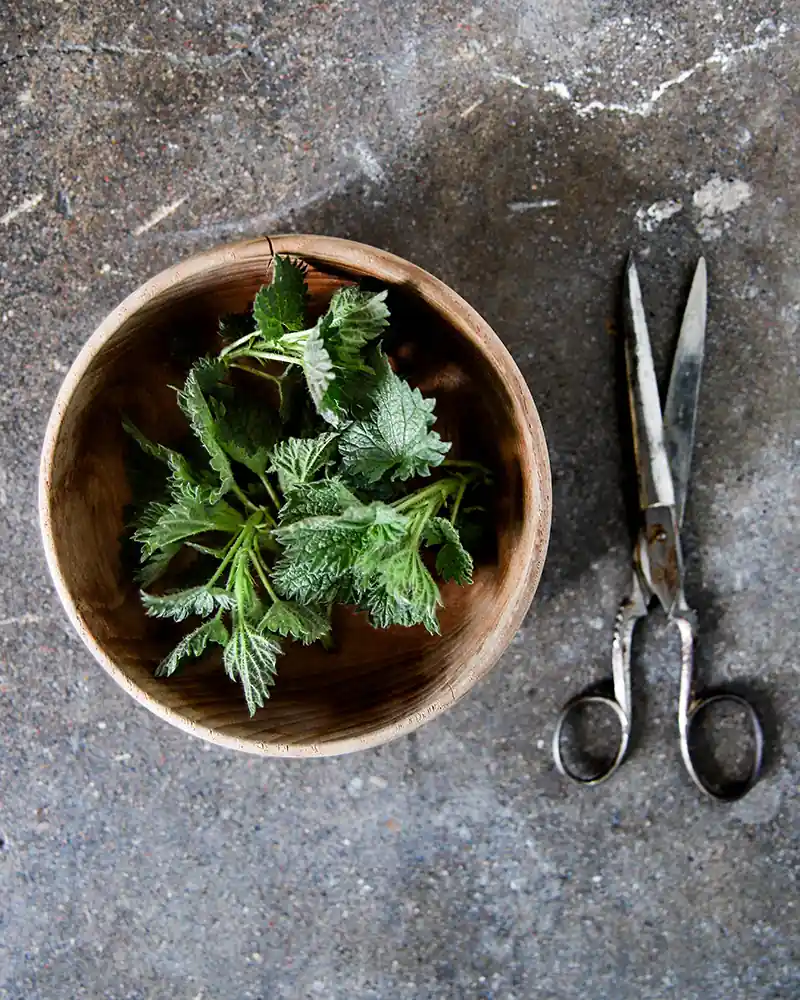
Nettle (Urtica dioica) — Europe & Western Asia
Stinging, defensive, and cleansing.
Folklore Record: Nettles were swept through spaces after separation or betrayal in Balkan and Slavic folk practice to remove lingering attachment.
Tobacco (Nicotiana rustica) — Indigenous Americas
Sacred, not casual.
Folklore Record: Used to close agreements, end spiritual ties, and mark finality in many Indigenous American traditions.
Myrrh (Commiphora spp.) — North Africa & Middle East
Resin of mourning and closure.
Folklore Record: Burned to release bonds connected to death, betrayal, or irreversible separation.
Sulfur & Sulfurous Plants — Global
Attachment-breaking rather than love-ending.
Folklore Record: Symbolically used in rites to repel, cut, or dissolve energetic ties, often outdoors or at thresholds.
How Bond-Severing Worked
Traditional separation rites often involved:
- Burial of plant matter
- Burning and dispersal of ashes
- Washing hands or tools after rituals
- Throwing herbs into running water
- Leaving offerings for closure
Words were minimal. Action carried the intent.
A Traditional Folk Method for Releasing Attachment
Across Balkan, Slavic, and Mediterranean folk practices, separation rituals were usually quiet rather than dramatic. The goal was not theatrical revenge, but finality.
One recurring method involved bitter or stinging plants, running water, and physical separation.
A Simple Folk-Style Release Rite
You will need:
- a bitter or protective herb such as rue, wormwood, or nettle
- a small piece of cloth or paper
- running water or crossroads earth
Write the name, memory, or burden you wish released.
Wrap it with the herb tightly and bind it with thread.
Do not speak excessively over it. In many traditions, silence carried more authority than elaborate incantation.
Carry it away from the home and either:
- bury it at a crossroads
- cast it into running water
- or leave it beneath a thorn tree
Then wash your hands before re-entering the house.
Historically, this cleansing mattered as much as the release itself. Folk traditions often treated attachment as something that lingered physically unless deliberately removed.
Timing of Separation Magic
Folk calendars emphasized:
- Waning moons
- Seasonal endings
- Funerary periods
- After betrayal or illness
- Before new marriages
Timing mattered, but finality mattered more.
Important Folk Warnings
Historical sources consistently warned:
- Never perform separation magic in anger
- Never repeat rites compulsively
- Never combine with attraction magic
- Never ingest dangerous plants
Many traditions believed improper use could bind the practitioner to the grief instead.
Herbs Used to Attract Love:
Herbs were also used in witchcraft to attract the right match. See Love Magic Herbs to Attract the Right Partner to explore these magical allies and ways to work with them.
Balkan traditions provide particularly rich documentation of attraction and love binding rites; for deeper exploration of these regional customs, see Balkan Love Magic: Folk Spells and Desire Rites to explore the darker side of binding love magic.
Love Ends Too — and That Is Also Sacred
Modern witchcraft often emphasizes summoning love. Older traditions understood something harder: sometimes love must be unmade.
Plants that rot, sting, burn, or repel were respected for their ability to close doors—not open them. Not every bond is meant to survive. And not every ending is a curse.
Frequently Asked Questions: Love-Breaking Herbs
Q: Is this curse work?
A: No. Historically, these rites focused on release and closure, not harm.
Q: Can separation magic protect me?
A: Yes. It was often used to end obsession, stop harmful attachment, or safeguard the household.
Q: Are these plants dangerous?
A: Many are toxic or irritating, so traditional use emphasized symbolic handling—burning, burying, or placing near thresholds.
Q: Should beginners attempt these rituals?
A: Only with emotional clarity and restraint; improper use could backfire.
Q: Can multiple plants be used together?
A: Rarely. One plant at a time was preferred to maintain symbolic focus.