Love Magic Herbs to Attract the Right Partner
Love Magic Was Not Romanticized
Long before modern witchcraft reduced love magic to pink candles or obsession spells, plants carried the work.
Across Africa, Asia, the Americas, and the Pacific, love magic was about alignment — calling what fits, and repelling what would harm.
These herbs did not promise instant romance. They shaped timing, recognition, and mutual pull.
While these herbs focus on alignment rather than coercion, it is important to recognize that some folk traditions also used plants to release or end relationships; for a comprehensive look at separation herbs, see Plants Used to Break Love or Sever Bonds in Folk Magic.
For readers interested in ritual methods, timing, and symbolic action, our foundational post Love Attraction Rituals in Global Folk Magic provides detailed insight into how communities historically invited love through practice rather than coercion.
What “Attracting the Right Partner” Meant in Folk Traditions
In global folk magic, the right partner was defined by:
- Shared fate or destiny
- Balanced temperament
- Ability to build, endure, and protect
- Mutual desire without coercion
Plants were chosen for energetic behavior, not sentimentality.
Global Herbs Used in Traditional Love Magic
Damiana (Turnera diffusa) — Mesoamerica
Used by Indigenous peoples of Mexico and Central America.
Folk Memory: Before courtship rituals, damiana was used to awaken desire, restore confidence, and dissolve emotional numbness, emphasizing personal magnetism rather than coercion.
Cacao (Theobroma cacao) — Mesoamerica
Sacred rather than sweet.
Folk Memory: Consumed ceremonially to symbolize heart opening, devotion, and truthful connection during union rituals.
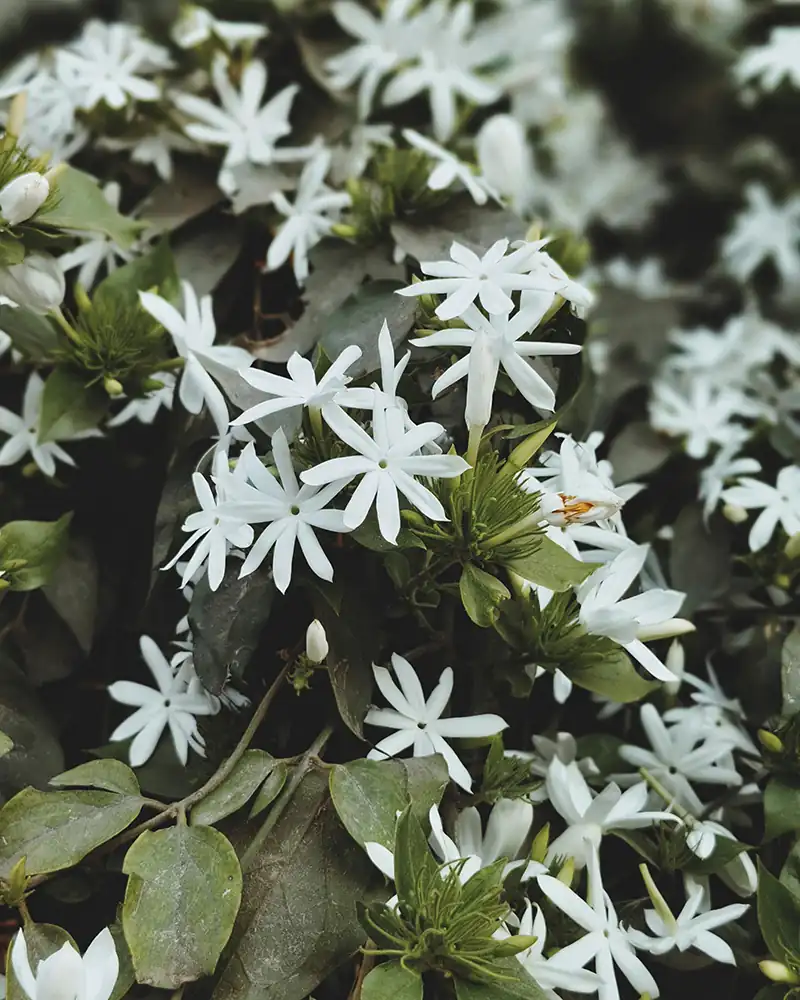
Jasmine (Jasminum spp.) — South & Southeast Asia
Linked to lunar cycles, sensuality, and intimate harmony.
Folk Memory: In India and Southeast Asia, jasmine flowers were worn during festivals and weddings to attract affection and balanced unions.
Ylang-Ylang (Cananga odorata) — Southeast Asia & Pacific
Intoxicating and magnetic.
Folk Memory: Used to draw admiration, scattered on beds, or infused into oils for bridal preparation.
Hibiscus (Hibiscus rosa-sinensis) — Africa, Asia, Pacific
Symbol of fertility and beauty.
Folk Memory: Used in baths, offerings, and adornment rituals to amplify presence and desirability.
Tonka Bean (Dipteryx odorata) — Amazon Basin
Deeply aromatic and symbolic.
Folk Memory: Used to attract long-term affection, luck, and devotion, often placed near personal belongings.
Vanilla (Vanilla planifolia) — Mesoamerica
Soft yet powerful.
Folk Memory: Associated with comforting love, trust, and emotional warmth. Used in scent magic and offerings.
Sandalwood (Santalum spp.) — India, Pacific
Grounding, sacred, and enduring.
Folk Memory: Burned or worn during rites of commitment to attract deep bonds and spiritual intimacy.
A Global Folk Ritual for Aligned Love
This is not a spell of conquest. It is an invitation.
You will need:
- One attraction herb from above
- Clean water
- A quiet evening
Ritual:
- Sit calmly and hold the herb.
- Speak qualities, not names.
- Wash hands or heart area lightly with water.
- Say:
“May what walks toward me do so freely.
May what does not belong, turn away.” - Dispose of the herb respectfully or keep as a token.
Important Folk Warnings
Traditional practitioners cautioned against:
- Naming specific individuals
- Repeating attraction rituals compulsively
- Using love magic from grief or desperation
Improper practice could open the wrong energetic doors.
Balkan Love and Courtship Rites:
While this post explores global traditions, you can deepen your understanding with regional practices: Balkan Love Rites and Ancestral Courtship Traditions covers socially acceptable love rituals and traditions.
Love Still Answers Old Languages
Across continents, people turned to leaves, roots, flowers, and scent to guide timing, soften hearts, and reveal what was already moving toward them.
In older traditions, love work did not end with attraction. Fertility and pregnancy were treated as household magic, requiring protection, boundaries, and ancestral care long after partnership began. For more on this topic, explore next:
Frequently Asked Questions: Love Magic Herbs
Q: Can I combine these herbs in one ritual?
A: Yes, but traditional practice favors simplicity. One or two herbs are usually sufficient to maintain clarity and focus.
Q: Do I need to believe in the magic for it to work?
A: Belief is less important than attention, respect, and clarity of intention. The ritual’s energy is carried through focus and symbolic action.
Q: Is this love magic safe?
A: Yes. It avoids coercion, targeting individuals, or manipulation, focusing instead on attracting mutually aligned partners.
Q: When is the best time to perform love magic?
A: Traditional sources suggest evenings, moonrise, or seasonal thresholds, but intention and ritual mindfulness are more important than strict timing.
Q: Can these herbs attract long-term love?
A: Yes. Many herbs historically symbolized alignment, compatibility, and enduring affection rather than fleeting attraction.