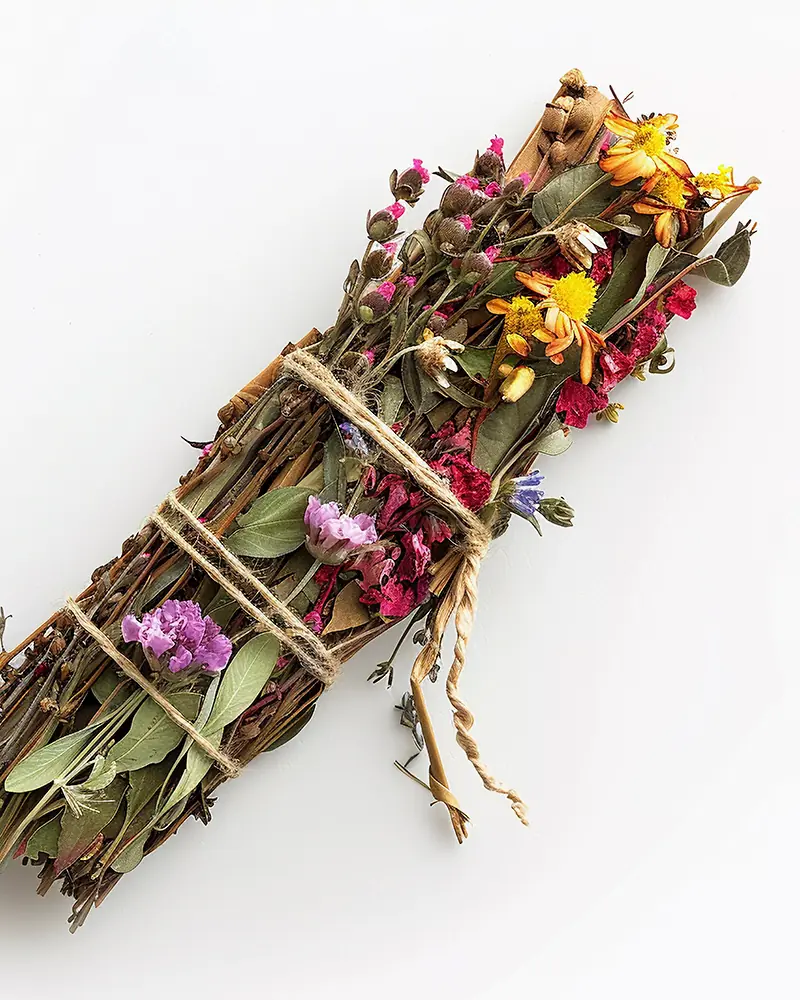
Smoke Cleansing vs. Smudging
What Smudging Actually Is
Smudging is a North American Indigenous ceremony, practiced by nations such as:
- Lakota
- Ojibwe
- Cree
- Dene
- Cherokee
- Navajo
- Coast Salish
While each nation is different, smudging generally includes:
- prayer or song
- ceremonial herbs (white sage, sweetgrass, cedar, tobacco)
- a lineage of teaching passed through elders
- a sacred cultural framework
If you weren’t taught by that community, you are not smudging.
You are practicing your own culture’s smoke tradition.
What Smoke Cleansing Is
Across the world, people burned herbs for:
- banishment
- healing
- blessing
- boundary protection
- ancestral veneration
- seasonal rites
- newborn purification
- preparing ritual spaces
The method is global — but the herbs change with the land.
Below is a worldwide view of smoke cleansing traditions.
Global Traditions of Smoke Cleansing
Europe
- Mugwort (banishing, dreamwork)
- Juniper (sickness removal)
- Thyme (courage, sanctification)
- Bay Laurel (prophecy, protection)
- Pine (purification, winter rites)
Middle East & Mediterranean
- Frankincense (protection, offerings)
- Myrrh (cleansing, funerary rites)
- Olive leaves (peace, warding)
- Rue (Ruta graveolens) (evil eye protection)
Asia
- Sandalwood (cleansing, ancestors)
- Agarwood / Oud (ritual purity)
- Camphor (banishing)
- Holy basil / Tulsi (purification)
Africa
- African sage (not white sage; local species used in healing)
- Kampor tree leaves (cleansing rites)
- Resins like copal Africanum (ancestral offerings)
Central & South America (non-Indigenous practitioners should be cautious)
- Copal resin (Mesoamerican ceremonial use — handle with respect)
- Palo Santo (use only ethical, certified fallen wood)
Oceania
- Tea tree leaves (cleansing, antimicrobial)
- Eucalyptus (banishing sickness, clearing heaviness)
Smoke cleansing is universal — but always rooted in local land and local spirits.
Why White Sage Is Not Necessary
White sage (Salvia apiana) is sacred to several Indigenous nations, and commercial harvesting has endangered wild populations.
You never need white sage.
You have powerful herbs wherever you live.
That also means knowing which plants can be dangerous to burn — check our comprehensive guide to Herbs Never to Burn in Ritual for safety and clarity.
How to Perform a Global-Friendly Smoke Cleansing Ritual
This method respects worldwide traditions without appropriating Indigenous ceremony.
- Choose a local or ethically sourced herb.
- Set one clear intention.
- Burn loose herbs in a heat-proof bowl or censer.
- Move clockwise to bless or counterclockwise to banish.
- Focus on doors, windows, corners, and your bed.
- Close the ritual with a grounding phrase, such as:
“Smoke of earth and leaf of land,
Clear this space and bless it clean.”
When to Use the Word “Smoke Cleansing”
Use “smudging” only if:
- you belong to an Indigenous nation and
- you were taught the ceremony by that community
If not, “smoke cleansing” is the correct and respectful term.
Want to Go Deeper into Ritual Smoke?
If you want to build a smoke practice rooted in safety, ancestry, and the land beneath your feet, these guides will help you take the next steps:
-
How to Use Herbs for Smoke Cleansing — a practical walkthrough of choosing the right herbs, preparing them, and building a personal cleansing ritual without cultural borrowing.
-
Herbs That Are Toxic When Burned — an essential list of plants that release harmful compounds when burned, so your practice stays safe, informed, and grounded in real herbal knowledge.
Frequently Asked Questions
Can I do smoke cleansing if I’m not Indigenous?
Yes. Smoke cleansing is global and local—choose herbs from your land and follow safe, intentional practices. It is distinct from smudging, which is a sacred Indigenous ceremony.
What’s the difference between smoke cleansing and smudging?
Smudging has lineage, prayer, and cultural protocols. Smoke cleansing is a worldwide tradition using herbs for purification, blessing, and protection, without appropriating Indigenous ceremonies.
Are all herbs safe to burn?
No. Some herbs release toxic smoke. Stick to locally sourced, non-endangered plants like mugwort, juniper, thyme, or bay. Avoid unknown or wild-harvested endangered species.
Why does smoke cleansing work?
In folklore, smoke carries intention, clears stagnant energy, and marks sacred space. The ritual engages both senses and attention, creating a psychological and spiritual effect.
Can I use white sage?
Only if you were taught by the relevant Indigenous community. Otherwise, use local herbs—every land has its own magical smoke.
When is smoke cleansing most effective?
Traditionally, at thresholds—new homes, seasonal transitions, after illness, or before rituals. Any time you want to reset energy is valid.
Can smoke cleansing protect against negative energy?
Yes. Across cultures, smoke was burned to guard homes, spaces, and people from sickness, envy, spirits, and lingering heaviness. Check out: Herbs That Keep Evil Eye Out for more.
How do I make my smoke ritual feel intentional?
Set a clear purpose, move the smoke mindfully around doors, windows, and corners, and close with a grounding phrase. Your attention and focus are what give it power.